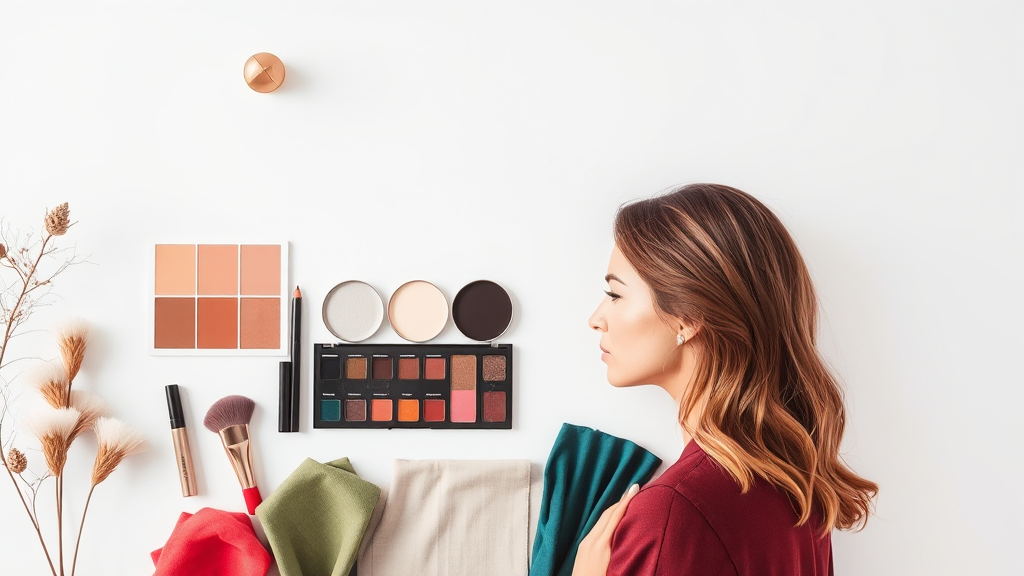
Color Season Analysis: How to Find Your Perfect Palette for Hair, Makeup, and Fashion
Color Season Analysis: How to Find Your Perfect Palette for Hair, Makeup, and Fashion
Have you ever wondered why certain shades make your skin glow while others leave you looking tired? The answer often lies in color season analysis, a time-tested method that categorizes individuals into seasonal palettes based on their natural coloring. By understanding your unique undertones, you can make smarter choices in clothing, cosmetics, and even hair color. This guide will walk you through everything you need to know about seasonal color analysis, from the basics to practical tips for using your palette in everyday life.
What Is Color Season Analysis?
Color season analysis is a system that matches your skin tone, eye color, and natural hair color to one of four seasons: Spring, Summer, Autumn, or Winter. Each season is further divided into subtypes like Light Spring or Deep Winter, but the core idea remains the same—your best colors harmonize with your natural features. This approach has been popularized by image consultants and beauty experts, and it’s now accessible to everyone through online quizzes and professional consultations.
For example, if you have warm undertones with golden skin and light eyes, you might be a Spring. On the other hand, cool undertones with blue-ish skin and dark hair could point to Winter. The goal is to find colors that make you look vibrant, healthy, and radiant. Color Analysis by BeautyLiesTruth – color season analysis – color analysis – color analysis quiz – Links offers a comprehensive quiz that can help you discover your season in minutes, without needing a professional appointment.
Why Your Season Matters for Hair and Makeup
Your seasonal palette isn’t just for clothing—it has a profound impact on your beauty routine. When you choose hair colors that align with your season, they can brighten your complexion and make your eyes pop. For instance, a Warm Autumn might look amazing with caramel highlights, while a Cool Summer could shine with ash blonde tones. Similarly, makeup shades like lipstick and blush should complement your undertones to create a cohesive look.
Many people unknowingly pick makeup that clashes with their natural coloring, leading to a washed-out or overly harsh appearance. By using color analysis as your guide, you can select products that enhance your features rather than fight them. Whether you’re a fan of bold reds or subtle nudes, there’s a shade out there that’s perfect for you.
How to Determine Your Skin Undertones
Before diving into seasonal categories, it’s essential to identify your undertones. Undertones are the subtle hues beneath your skin’s surface—warm, cool, or neutral. A quick way to test is to look at the veins on your wrist: if they appear greenish, you likely have warm undertones; if bluish, cool undertones. Another method is the jewelry test: gold jewelry tends to flatter warm undertones, while silver suits cool undertones.
Once you know your undertones, you can narrow down your season. Warm undertones typically fall into Spring or Autumn, while cool undertones align with Summer or Winter. However, neutral undertones can sometimes borrow from multiple seasons, making a color analysis quiz especially helpful. These quizzes often ask about your eye color, hair color, and how your skin reacts to sun, providing a more accurate result.
Exploring the Four Seasons: A Detailed Breakdown
Spring: Warm and Bright
Springs have warm undertones with a freshness that echoes the season. Their skin often has a peach or golden glow, and their eyes may be bright blue, green, or warm hazel. Natural hair colors range from strawberry blonde to golden brown. Best colors include coral, peach, warm yellow, and light turquoise. Avoid harsh black and pure white, which can overwhelm your delicate coloring.
Summer: Cool and Soft
Summers are characterized by cool undertones with a soft, muted quality. Skin may have pink or rosy undertones, and eyes are often blue, gray, or soft green. Hair is typically ash blonde, light brown, or gray. Your palette includes dusty rose, lavender, powder blue, and mauve. Steer clear of neon shades and deep oranges that can clash with your coolness. Color Analysis by BeautyLiesTruth
Autumn: Warm and Muted
Autumns boast warm undertones with a rich, earthy feel. Skin can be golden, olive, or bronze, and eyes are often brown, amber, or green. Hair ranges from auburn to dark brown with warm highlights. Your colors include rust, olive green, mustard, and warm camel. Avoid icy pastels and blue-based reds that can make you look sallow.
Winter: Cool and Vivid
Winters have cool undertones with high contrast. Skin may be porcelain, fair, or deep with blue or pink undertones, and eyes are often dark brown, black, or striking blue. Hair is usually dark black, brown, or silver. Your palette features true red, royal blue, emerald green, and pure white. Steer clear of warm oranges and yellow-greens that can dull your radiance.
If you’re still unsure, taking a color analysis test can provide clarity. Many online tools use a series of questions to assess your features, giving you a personalized result without the guesswork.
Practical Ways to Apply Your Seasonal Palette
Once you know your season, the fun begins. Start by decluttering your wardrobe: remove items that fall outside your palette and donate them. Then, create a shopping list of key pieces in your best colors. For makeup, replace your foundation to match your undertone, and choose lipsticks and blushes from your season’s recommendations. Even your hair color can be adjusted—consult a stylist who understands color analysis hair to find a shade that complements your skin.
For example, a Winter might opt for jet-black hair with cool-toned highlights, while a Summer could try a soft balayage in ash tones. color analysis makeup can also transform your daily routine—imagine finding the perfect nude that doesn’t wash you out or a blush that gives you a natural glow.
Common Mistakes to Avoid in Color Analysis
One common mistake is relying solely on hair color when determining your season. Your skin undertone is the primary factor, not your current hair dye. Another error is ignoring the effect of lighting: natural daylight is best for assessing your features, as artificial light can distort colors. Additionally, don’t get stuck on a single season—many people are a blend, and a professional or a detailed color analysis online can help you find your dominant season.
Also, avoid using outdated photos of yourself, as your skin tone can change with age, tanning, or health. Always evaluate your current appearance. And remember, color analysis for skin tone is not about restricting you—it’s about empowering you to choose colors that make you feel confident.
Using Online Tools for a Quick Color Season Discovery
If you’re eager to find your season without a professional, online quizzes are a fantastic starting point. A reliable color season quiz will ask about your natural hair color, eye color, and how your skin reacts to sun exposure. It may also ask whether you look better in gold or silver jewelry. The more honest your answers, the more accurate your result. what is my color season
Many quizzes require a photo, but some offer a color analysis no photo option, which is perfect if you prefer privacy. These tools often provide a detailed breakdown of your season, including recommended colors for clothing, makeup, and hair. For instance, the color analysis quiz free from BeautyLiesTruth is designed to give you quick, actionable results.
Elevate Your Style with Seasonal Colors
Once you embrace your season, you’ll notice a shift in how you receive compliments. People will say you look healthier or more vibrant, even if you haven’t changed much else. Your color analysis fashion choices will become more intentional, leading to a more cohesive wardrobe. Similarly, your color analysis style will evolve as you learn which accessories and neutrals work best.
For example, a Summer might swap her black handbag for a soft gray one, and an Autumn might choose a camel coat over a navy one. These small changes can have a big impact on your overall look. And when you feel good, it shows—your confidence radiates through every outfit.
Personal Color Analysis: Beyond the Basics
For those who want a deeper understanding, color analysis personal consultations are available both in-person and virtually. A consultant can drape you in fabrics to see how different shades interact with your skin, providing a definitive answer. However, for a convenient and free alternative, online quizzes like the color analysis quiz online are an excellent first step.
If you’re concerned about privacy, look for options like color analysis quiz no photo, which rely on descriptive questions rather than images. These are particularly useful for men, as many quizzes are geared toward women, but there are also color analysis quiz for men that address male undertones and coloring. Similarly, color analysis quiz for women can be tailored to feminine beauty standards.
How to Find Your Color Season: Step-by-Step
Ready to discover your season? Follow these steps:
- Clean your face and sit in natural light.
- Pull your hair back to see your full face.
- Observe the undertone of your skin (warm, cool, neutral).
- Note your eye color and natural hair color.
- Take a reliable color analysis quiz for skin tone to narrow down your season.
- Test a few colors from your likely season against your face—see which ones make you look brighter.
For a more detailed approach, you can use a color analysis quiz for hair that considers your current hair color and its warmth. Similarly, color analysis quiz for eyes can help if you have unique eye colors that influence your season. And don’t forget color analysis quiz for makeup—these quizzes often recommend specific product shades for your season.
Color Analysis for Fashion: Dressing with Confidence
When you know your season, shopping becomes easier and more enjoyable. You’ll stop buying clothes that you never wear because they don’t flatter you. Instead, you’ll invest in pieces that you love and that love you back. A color analysis quiz for fashion can guide you toward the most versatile colors for your wardrobe, ensuring you get maximum use out of every item. seasonal color analysis
Consider building a capsule wardrobe around your season. For a Winter, that might include black, white, and jewel tones; for a Spring, cream, coral, and soft greens. This doesn’t mean you can’t wear other colors—it just means you’ll know which ones to prioritize for impact.
Frequently Asked Questions
What is color season analysis?
Color season analysis is a method of categorizing individuals into seasonal palettes (Spring, Summer, Autumn, Winter) based on their natural skin tone, hair color, and eye color. It helps you choose colors that harmonize with your features.
Can I do color analysis at home?
Yes, you can do a basic color analysis at home by assessing your undertones and taking online quizzes. For a more accurate result, consider a professional consultation or a detailed color analysis test.
How do I know if I’m warm or cool toned?
Check your wrist veins: greenish veins suggest warm undertones, while bluish veins indicate cool. Also, try the jewelry test—gold flatters warm, silver flatters cool.
Does my seasonal palette change over time?
Your natural coloring can shift with age, tanning, or hair dye, so your season may evolve. It’s a good idea to reassess every few years or after significant changes.
Are online color analysis quizzes accurate?
Online quizzes can be quite accurate if you answer honestly and choose a reputable quiz. They are a great starting point, but for absolute certainty, a professional draping session is recommended.
In conclusion, find my color season and unlock a world of color that enhances your natural beauty. Whether you’re looking for color palette quiz recommendations or color analysis free resources, the journey is both fun and transformative. Start today and see the difference that the right colors can make in your life.